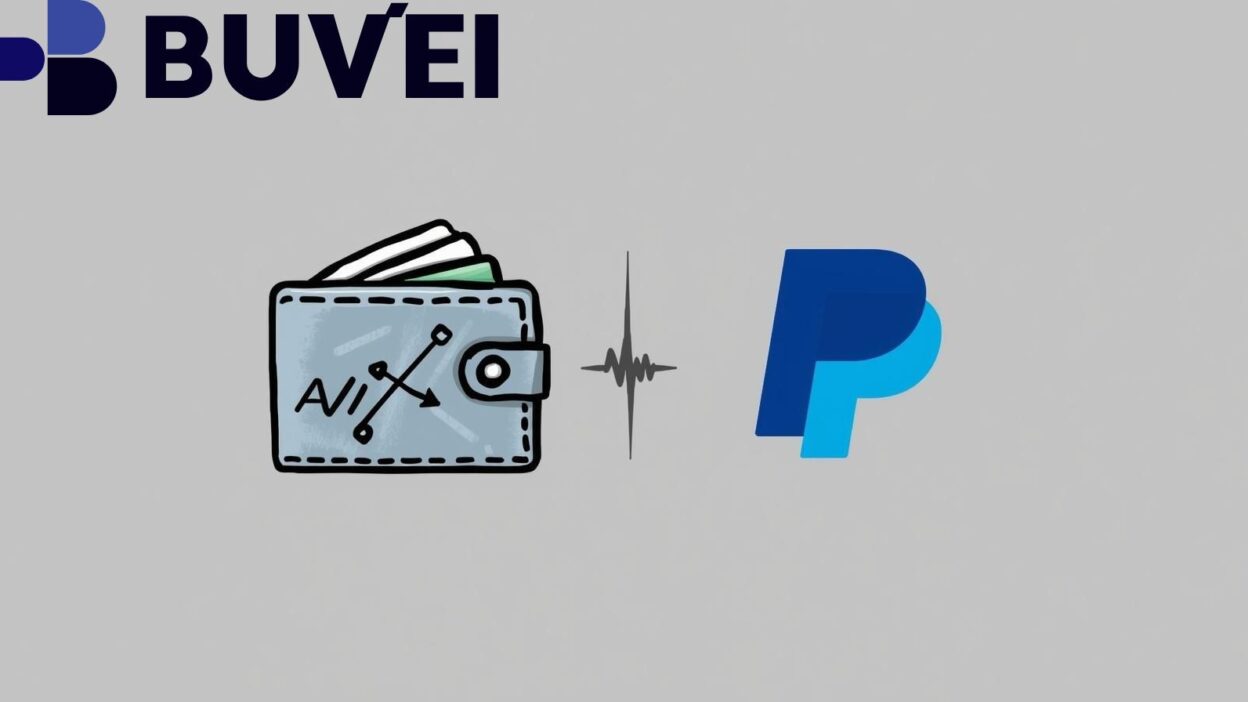
In the era of digital payments, security has become a top priority for online shoppers. Two popular options—virtual cards and PayPal—offer convenience and protection, but how do they compare in terms of safety? This article explores the key differences, evaluates risks, and shows how platforms like Buvei enhance online payment security.
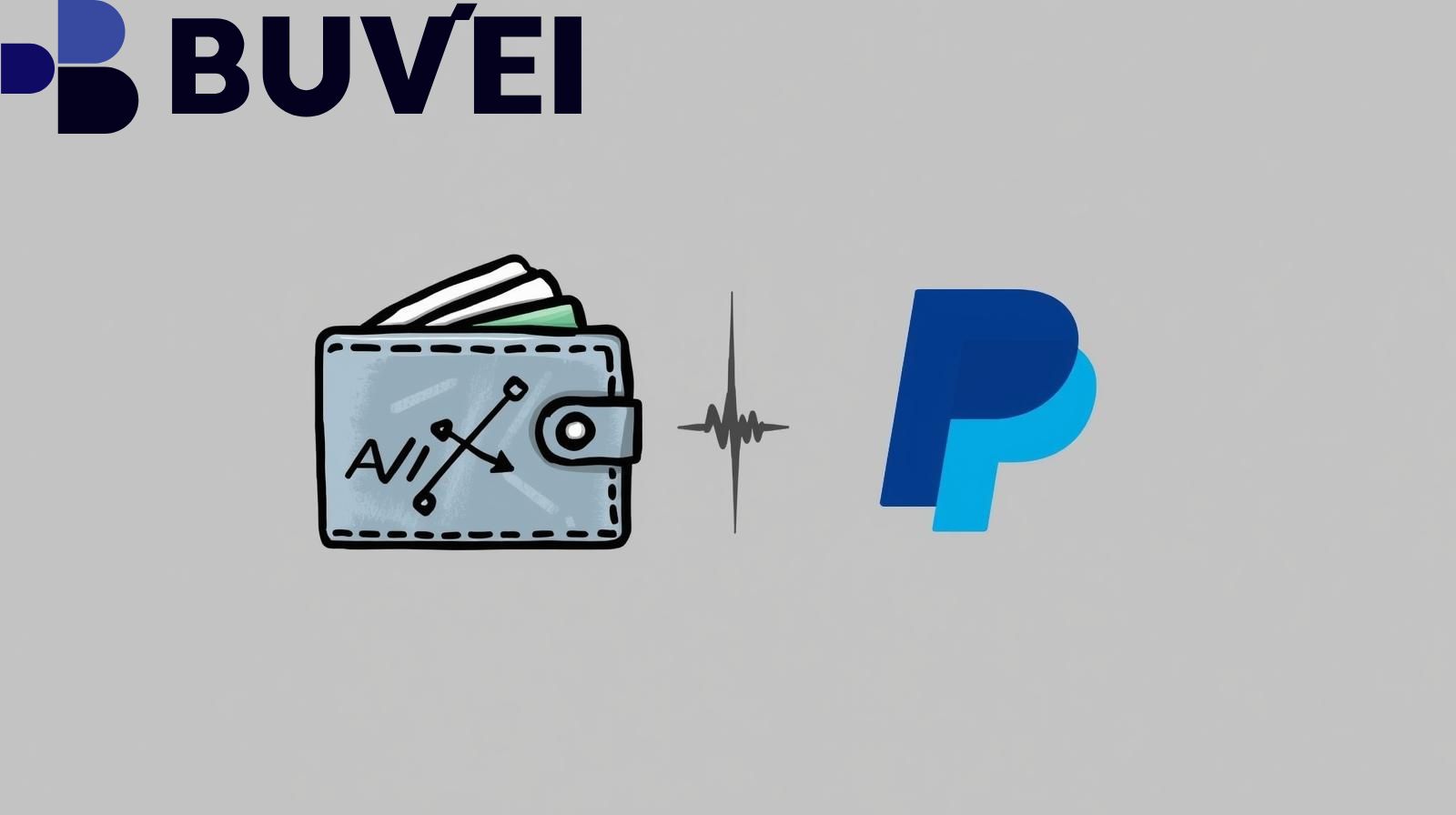
Security Features Comparison
Virtual cards provide a unique card number for each transaction, significantly reducing the risk of fraud. Since these cards are often single-use or time-limited, your main account information remains protected from hackers.
PayPal, on the other hand, uses account-based authentication, where transactions are linked to your email and password. While PayPal offers buyer protection, the system is vulnerable if your login credentials are compromised.
Privacy and Data Protection
Virtual cards excel in privacy. Merchants never receive your actual bank account or credit card details, which reduces the risk of data breaches.
With PayPal, merchants see your email and transaction history, which may expose your data if a breach occurs. Buvei’s virtual card solutions prioritize end-to-end encryption, adding another layer of protection against unauthorized access.
Fraud Prevention and Control
Fraud prevention is critical in online shopping. Virtual cards let users set spending limits and expiration dates, making it nearly impossible for scammers to misuse the card.
PayPal monitors for suspicious activity but cannot prevent transactions if your account is already compromised. Using a Buvei virtual card adds features like instant lock/unlock and usage tracking, giving users full control over each payment.
Convenience and Usability
PayPal is widely accepted and offers a simple checkout experience without entering card details each time. However, virtual cards have become increasingly compatible with major merchants and e-commerce platforms, often working wherever credit/debit cards are accepted.
Platforms like Buvei allow you to generate virtual cards instantly, link them to your account, and manage multiple cards for different purchases, blending security and convenience.
Conclusion
Choosing between virtual cards and PayPal depends on your priorities. If security, privacy, and fraud prevention are top concerns, virtual cards, especially those provided by Buvei, offer unparalleled protection. PayPal remains convenient but exposes your account to potential risks if credentials are compromised.
For safer online shopping, integrating virtual card solutions into your digital payment strategy is increasingly the smarter choice.
New user benefits, register now to enjoy 40% discount, and coupons will be automatically sent after registration