Booking vacation rentals on platforms like Airbnb or VRBO opens up wonderful travel possibilities. But it also comes with risk: fraudsters create fake or fraudulent listings to lure unsuspecting travelers and hosts into making payments that cannot be refunded. According to the FTC, nearly 50,000 complaints related to vacation rental scams were filed in 2024, totaling over $10 million in losses.
One powerful way to reduce exposure to scams is using virtual cards — digital-only payment methods with built-in safeguards. In this article, we’ll explain how virtual cards protect you when booking Airbnb/VRBO, and introduce Buvei, a platform that makes it easier to issue secure virtual cards. We’ll also propose four strategic practices to maximize trust and reliability when booking rentals online.
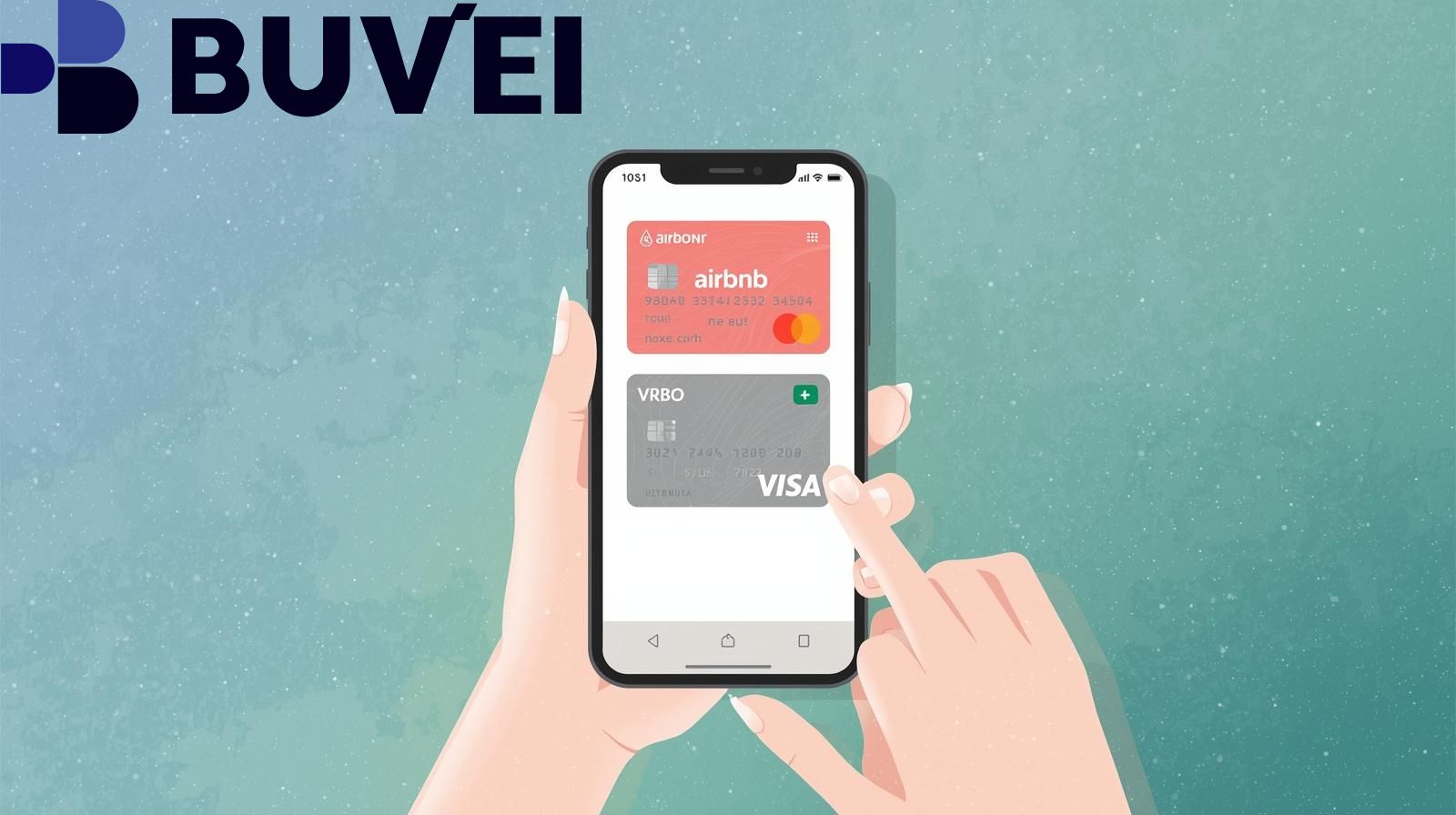
Understanding the Scam Risks When Booking Airbnb/VRBO
Before exploring protections, it’s important to know how fraudsters operate and where the gaps are.
-
Fake or hijacked listings: Scammers may copy photos and descriptions from legitimate listings, then change contact details and ask for off-platform payments via wire, prepaid card, or direct bank transfer.
-
Requests to pay off-platform: A common red flag is when a “host” insists on payment outside Airbnb/VRBO (e.g. via direct email, phone, or external site) to avoid platform fees or policies.
-
Too-good-to-be-true pricing: Offerings far below market rate with limited reviews should raise suspicion. No reviews or new listings: Scammers often use newly created accounts with little history.
-
Platform protection limitations: Airbnb and VRBO provide fraud protection when you pay using their systems, but these protections may not help if you pay via non-authorized methods.
-
Host cancellations or nonrefunds: Some users report hosts canceling last minute or claiming the guest canceled, and platforms not always enforcing full refunds.
These risks show why keeping payments within controlled, auditable channels is crucial.
How Virtual Cards Protect Against Booking Scams
Using virtual cards substantially raises your safety when booking rentals. Here’s how:
a. Unique, one-time card numbers
Virtual cards generate a unique card number (with expiration date and CVV) that is distinct from your real credit or debit card. This means even if the virtual card details are compromised, your real account remains protected.
b. Spending limits and merchant restrictions
You can assign per-transaction limits, expiration date windows, or even restrict usage to specific merchant IDs. That way, the card cannot be used for other unauthorized charges.
c. Auto-expiry or cancellation
Many virtual cards can be set to expire immediately after use or be cancelled instantly in case something seems wrong. This dramatically reduces the window of fraud.
d. Masked real account data
Your actual credit card or bank account number is never exposed; the merchant only sees the virtual card details. This reduces the risk from data breaches or card number theft.
e. Better audit trail and control
Every transaction made via a virtual card is logged with metadata (merchant, date, amount). This improves traceability and helps detect anomalies.
When applied to booking Airbnb or VRBO, these advantages help limit what a scammer can do if they gain card details.
Introducing Buvei: A Virtual Card Solution
Buvei is a virtual card issuance platform that supports multi-purpose online payments.
Key features of Buvei:
-
Instant issuance: You can generate virtual cards quickly, useful for time-sensitive bookings.
-
No KYC required (in some cases): Buvei advertises fast registration and card issuance.
-
Advanced budget controls: You can define limits, expiration, and anti-fraud rules on each card.
-
Multi-scenario compatibility: Buvei is designed for ad payments, subscriptions, and general online purchases — including booking platforms.
-
Crypto-to-fiat bridges: Buvei allows top-ups via USDT, making it useful if you maintain crypto holdings.
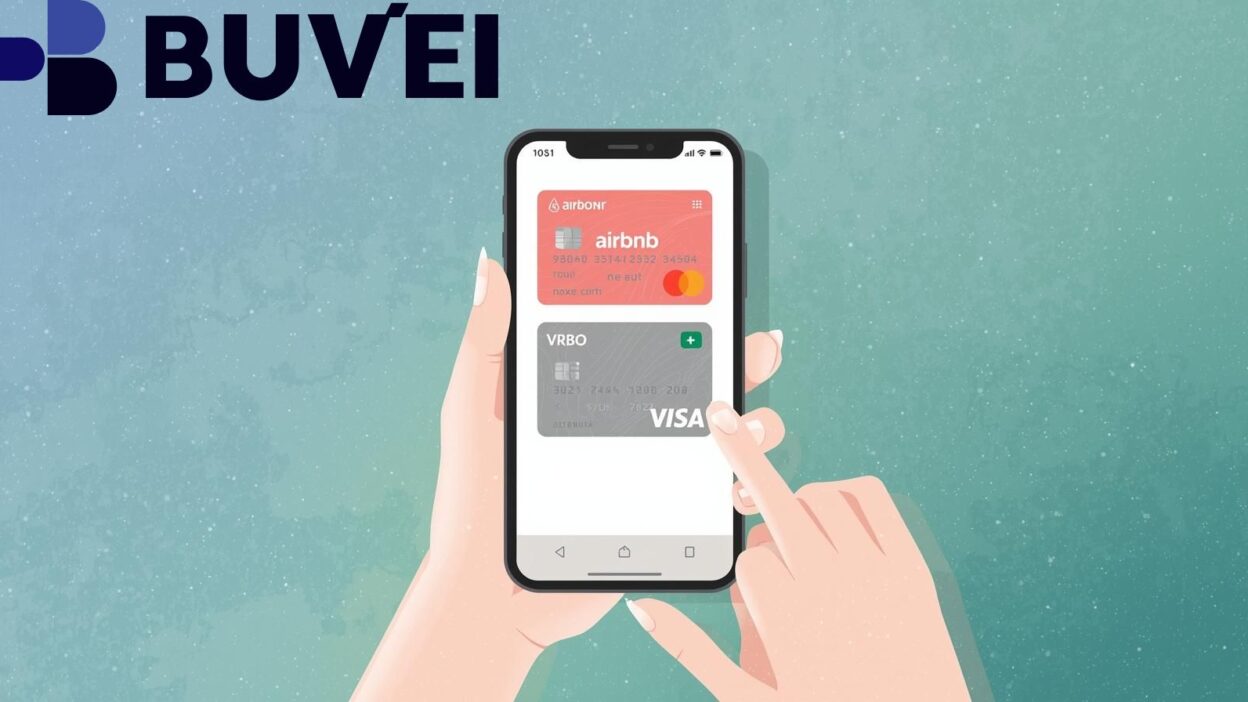
By using Buvei’s virtual cards for Airbnb or VRBO bookings, you retain the security features discussed above while keeping your payment method flexible.
Strategies to Boost Reliability When Booking with Virtual Cards
Using a virtual card is a strong security measure, but pairing it with prudent habits multiplies safety. Here are four strategies:
Strategy 1: Always keep communication on platform
Never move discussions or negotiations off Airbnb or VRBO. Platforms maintain logs and have policies to protect users if disputes arise.
Strategy 2: Use platform-authorized payment flow
Even if you're using a virtual card, ensure the payment is processed through Airbnb/VRBO's internal payment gateway — do not accept “host invoices” external to the platform.
Strategy 3: Match card parameters to booking contract
When creating the virtual card, set the expiration and spend limit to match the amount and timing of the booking. Avoid giving excess buffer that could be misused.
Strategy 4: Use escrow or partial payment features
Whenever possible, use platform features that hold funds in escrow until check-in. That way, if the listing is fraudulent or the host pulls out, you have recourse through the platform.
Additionally:
-
Verify the host and listing: Check user reviews, host ID verification, and compare photos via reverse image search.
-
Confirm in writing: Get confirmation receipts from Airbnb/VRBO showing the card used, amount, and booking codes.
-
Monitor your card: After payment, watch for unusual transactions and be ready to cancel the virtual card immediately if something is off.
-
Take screenshots and log communication: This may help in any dispute or refund claim.
By combining virtual card usage with these habits, you'll raise your defense significantly.

Conclusion
Booking rentals on Airbnb and VRBO should excite you — not nerve you. But with rising numbers of vacation rental scams, applying layers of protection matters. Virtual cards offer a practical and powerful defense by masking your real account details, restricting usage, and providing tight control of spending. Platforms like Buvei make issuing and managing such cards easy and efficient.
However, virtual cards are not magic. They are most effective when paired with reliable booking practices: staying on platform, using authorized payment flows, crafting precise card settings, and leveraging escrow protections. When you combine these four strategies with a virtual card approach, your risk of falling victim to booking scams drops dramatically.