



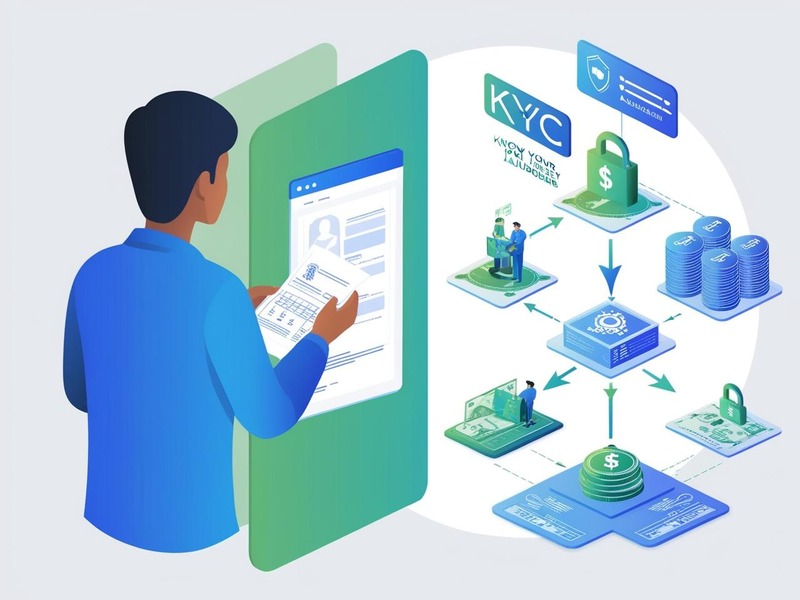
In today’s rapidly evolving digital payments landscape, regulatory compliance is a top priority for financial institutions and businesses alike. Anti-Money Laundering (AML) and Know Your Customer (KYC) are the two foundational pillars of payment compliance. While closely interconnected, each serves distinct purposes in preventing financial crime and ensuring user integrity.
What Is Anti-Money Laundering (AML)?
AML is an overarching compliance framework encompassing the policies, procedures, and monitoring mechanisms designed to stop bad actors from using financial services to launder money, finance terrorism, or evade taxes.
-
Core Objective: Detect and prevent suspicious money flows to safeguard the integrity of the financial system.
-
Five Pillars of AML Compliance (U.S. example):
-
Appointment of a Compliance Officer
-
Development of Internal Policies
-
Employee Training Programs
-
Independent Testing and Audits
-
Comprehensive Risk Assessments
-
A robust AML program typically includes:
-
Customer risk profiling
-
Screening against watchlists and sanctions lists
-
Real-time transaction monitoring and Suspicious Activity Reports (SARs)
-
Record-keeping and audit trails
What Is Know Your Customer (KYC)?
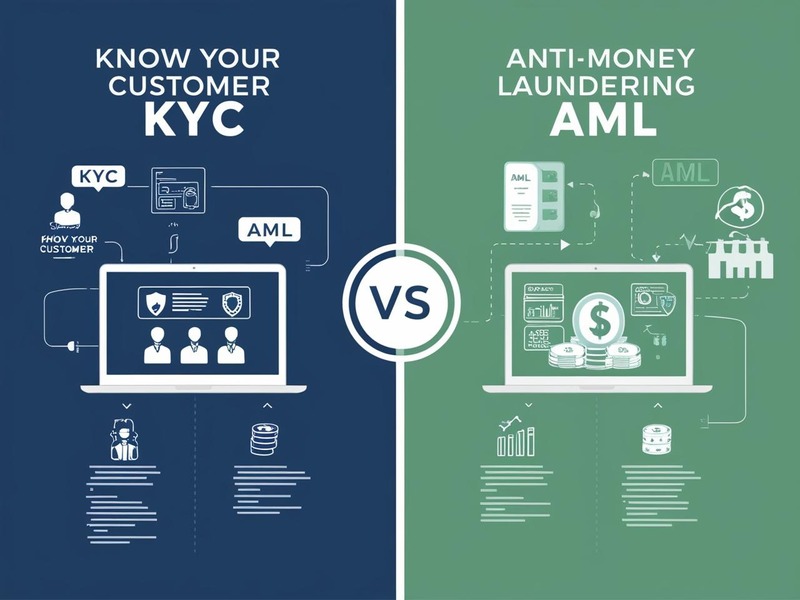
KYC is a critical component of an AML program, focused on identifying and verifying the identities of customers—both at onboarding and throughout the customer lifecycle.
The Three Pillars of KYC
-
Customer Identification Program (CIP)
-
Verify name, date of birth, address, and government ID number (e.g., passport, SSN/TIN).
-
-
Customer Due Diligence (CDD)
-
Assess the customer’s risk level based on their profile and expected activity.
-
-
Ongoing Monitoring
-
Periodically review customer transactions and identity data to detect changes in risk.
-
Legal & Industry Scope
-
Key Regulation: U.S. Bank Secrecy Act (BSA) and its amendments (Patriot Act, AMLA 2020), enforced by FinCEN.
-
Mandatory KYC Applies To: Banks, credit card issuers, cryptocurrency exchanges, online payment gateways, lending institutions, etc.
-
Optional KYC Adoption: E-commerce marketplaces, social platforms, e-learning portals, digital health, online dating—any business seeking to enhance trust and reduce fraud.
How KYC and AML Relate—and Differ
| Dimension | KYC | AML |
| Definition | Process to verify and validate customer identity | Comprehensive regime to prevent money laundering & terrorist financing |
| Objective | Confirm “who you are” and assess customer risk | Prevent illicit funds flows and report suspicious activity |
| Scope | Onboarding and ongoing customer monitoring | Full lifecycle transaction & activity monitoring |
| Key Measures | ID verification, background checks, document review | Transaction monitoring, sanctions screening, audits, training |
| Legal Basis | BSA KYC requirements, FinCEN guidance | BSA broad framework and global AML legislation |
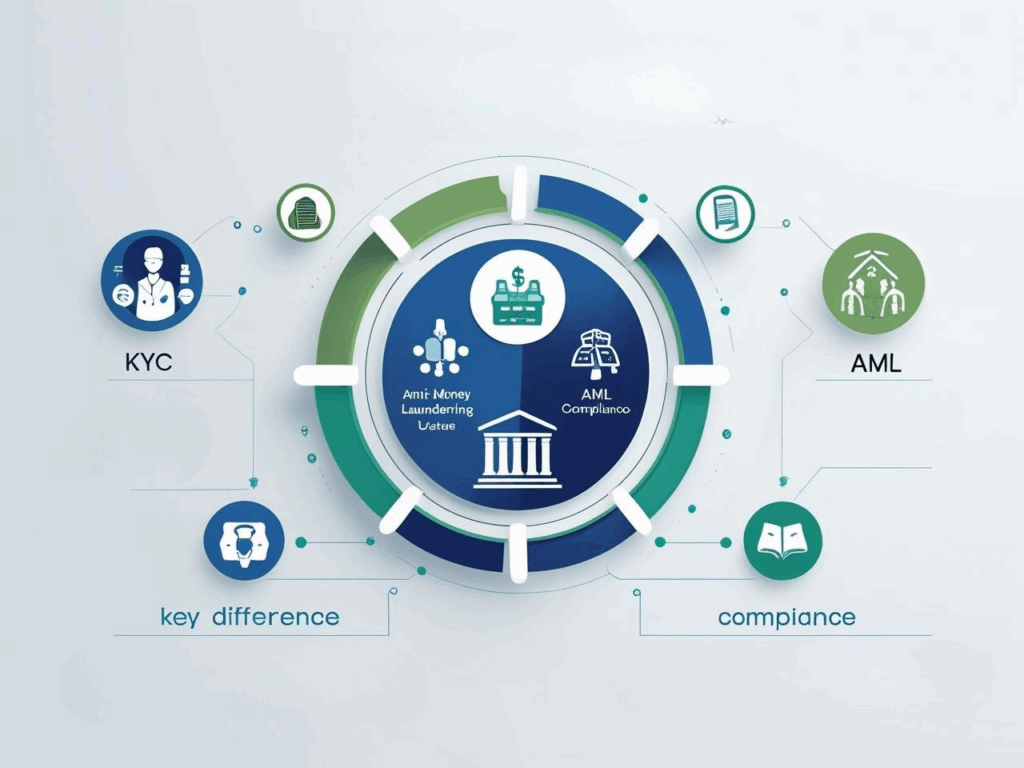
In summary: KYC is the first line of defense within an AML program—verify your customer first, then monitor their transactions.
Action Plan for Payments Providers
-
Audit Your Compliance Framework
-
Ensure your KYC, CDD, and transaction monitoring cover all risk areas.
-
-
Partner with Compliant Providers
-
Choose platforms with robust AML/KYC capabilities to reduce internal review burdens.
-
-
Continuous Improvement & Training
-
Update your policies regularly and equip your team with ongoing AML and KYC training.
-
Learn how Buvei’s intelligent virtual card platform integrates advanced KYC and AML controls to make your global payments simpler, safer, and fully compliant. Visit Buvei.com today!

:_Explore-Buvei-Solutions-→_-1-1-400x225.jpg)
