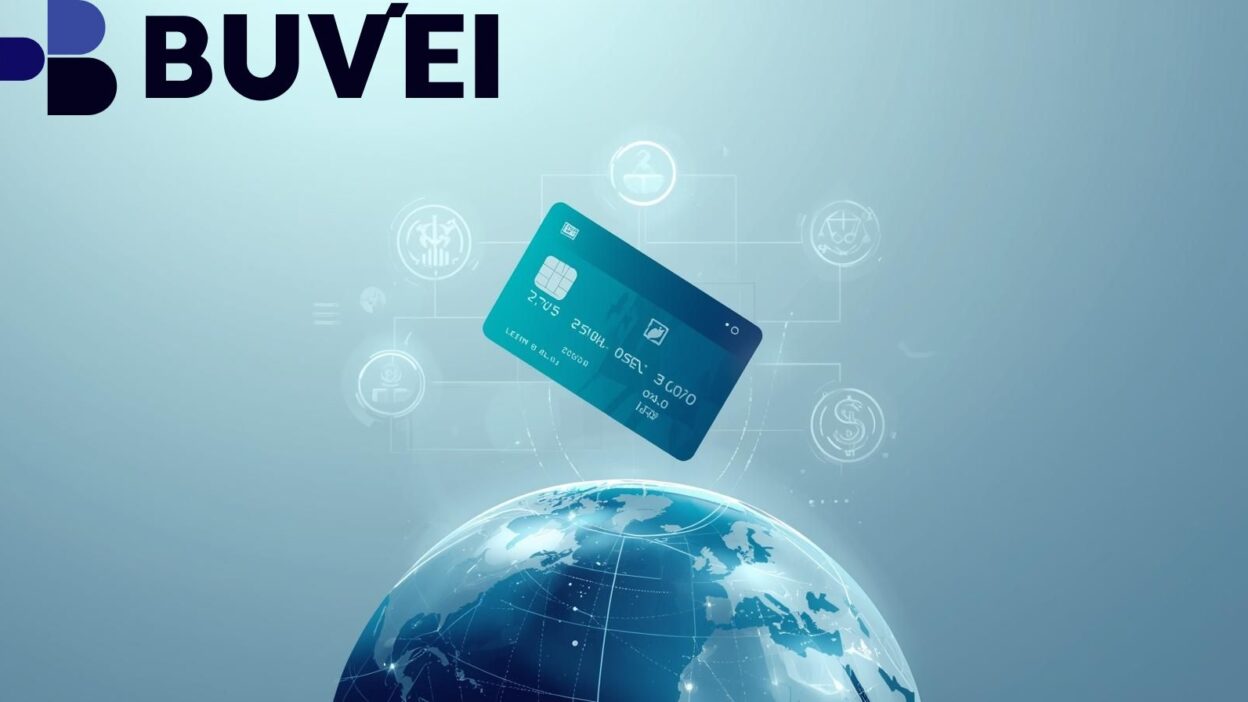
Cross-border e-commerce continues to grow at an unprecedented pace, connecting buyers and sellers around the globe. However, international transactions often come with hidden foreign fees, currency conversion charges, and added processing costs. For both individual shoppers and businesses, managing these extra costs is crucial. This is where virtual cards offer a modern, secure, and cost-effective solution. Platforms like Buvei provide virtual card services designed to simplify global payments while reducing unnecessary fees.
This article explores how virtual cards mitigate foreign fees and enhance cross-border e-commerce payments, offering actionable strategies for both consumers and merchants.
Understanding Foreign Fees in Cross-Border Payments
When making purchases from international websites, many banks and payment processors charge foreign transaction fees. These fees typically range from 1% to 3% per transaction and are applied on top of currency conversion rates. Businesses face similar challenges, especially when paying overseas suppliers, as cumulative fees can significantly impact profitability.
By identifying these costs upfront, buyers can make more informed decisions and explore alternatives such as virtual cards to bypass or minimize extra charges.
How Virtual Cards Reduce Foreign Fees
Virtual cards are digital payment cards linked to a funding source, often with the flexibility to set transaction limits, expiration dates, and spending restrictions. For cross-border e-commerce, they provide multiple advantages:
-
Lower Fees: Many virtual card providers, including Buvei, offer competitive or zero foreign transaction fees, helping users save on international purchases.
-
Currency Flexibility: Virtual cards can often transact in multiple currencies, reducing the need for currency conversion and associated charges.
-
Transparency: Users can track each transaction in real-time, minimizing unexpected fees and improving budget control.
By replacing traditional cards with virtual cards for international payments, users gain more control and cost efficiency.
Enhancing Security in Global Payments
Security is a major concern in cross-border transactions. Virtual cards offer enhanced protection compared to traditional physical cards:
-
Temporary Use: Cards can be set for one-time use or limited periods, reducing the risk of fraud.
-
Spend Control: Users can restrict maximum transaction amounts and limit merchant access.
-
Isolation of Accounts: Linking virtual cards to a single funding source prevents unauthorized access to main accounts.
These features make virtual cards ideal for international purchases, particularly on unfamiliar e-commerce platforms.
Best Practices for Using Virtual Cards in E-Commerce
To maximize the benefits of virtual cards, follow these practical strategies:
-
Select the Right Provider: Choose platforms like Buvei that offer low or no foreign fees and robust currency options.
-
Monitor Transactions: Regularly check transaction histories to spot any anomalies or unexpected charges.
-
Set Spending Limits: Configure card limits to match your budget or purchase size.
-
Leverage Promotions: Some virtual card providers offer cashback or rewards for international transactions.
By integrating these practices, both individuals and businesses can streamline cross-border payments and reduce costs.

Conclusion
As international e-commerce continues to expand, foreign fees remain a challenge for global shoppers and businesses alike. Virtual cards present a practical solution, offering cost savings, enhanced security, and improved transaction control. Platforms like Buvei make it simple to manage cross-border payments efficiently, ensuring users can shop or transact globally without unnecessary financial burdens.
For anyone involved in international e-commerce, adopting virtual cards is not just a convenience—it’s a strategic move to optimize costs and protect sensitive financial information.