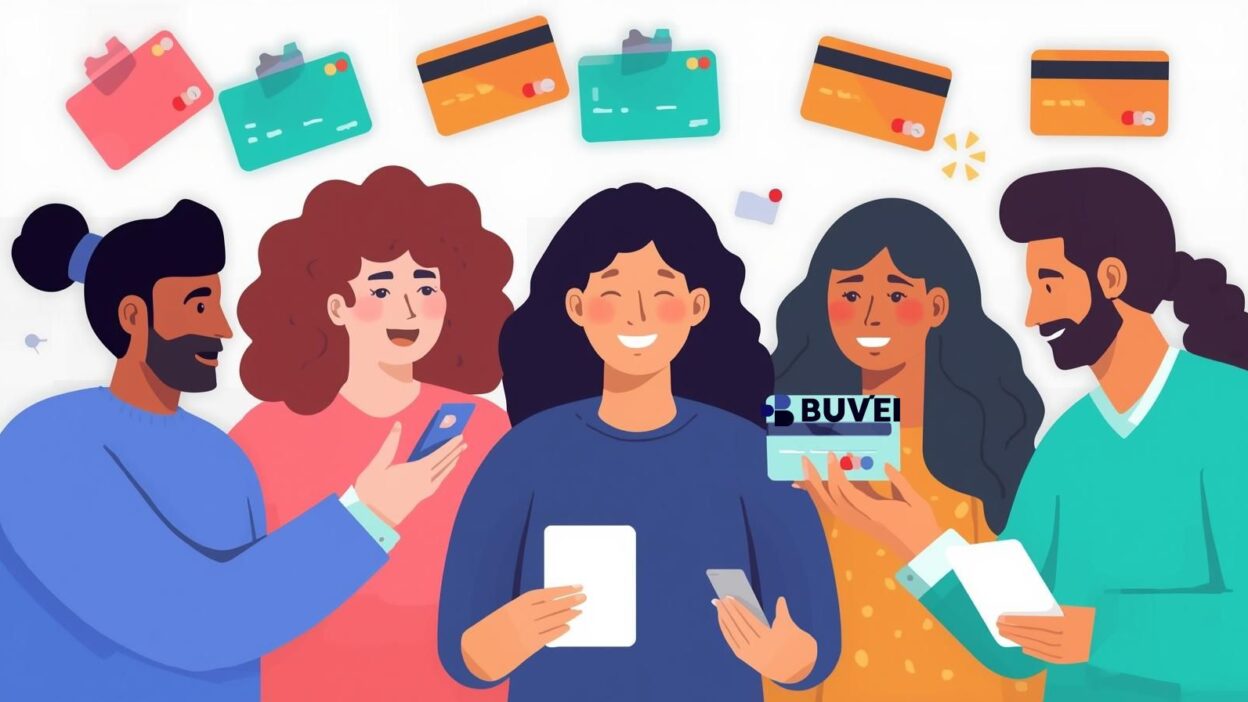
Financial inclusion has become a central theme in the growth of digital economies. In many developing countries, traditional banking services remain limited, leaving millions of people unbanked or underbanked. However, the rise of virtual cards is reshaping this narrative by offering individuals and businesses access to secure, flexible, and affordable financial tools.
From enabling small businesses to accept digital payments to helping individuals manage global subscriptions, virtual cards are unlocking new opportunities. Companies like Buvei are at the forefront of this change, combining innovation with accessibility to make fintech inclusion a reality.

Bridging the Gap Between Cash and Digital Payments
In regions where cash is still dominant, virtual cards offer an entry point into the digital economy. They allow users to make online purchases, access global platforms, and safely transfer funds without needing a traditional bank account.
Key impacts:
-
Access to e-commerce: Individuals can shop online, even if they don’t have a credit card.
-
Safer transactions: Sensitive banking details remain hidden, reducing fraud risk.
-
Empowering entrepreneurs: Small businesses can pay for ads and SaaS tools to reach global markets.
Buvei’s multiple BIN support ensures higher transaction success rates across different regions, making digital inclusion more effective in developing markets.

Supporting Global Platforms and Local Needs
One of the greatest strengths of virtual cards is their compatibility across global platforms. This is especially important for small businesses and freelancers in developing countries, who often rely on online advertising and SaaS subscriptions.
Virtual cards provide:
-
Stable payment access to Google Ads, Meta Ads, TikTok Ads, and Microsoft Ads.
-
Easy subscriptions to tools like ChatGPT, Canva, and Notion.
-
Daily usability for travel bookings, shopping, and entertainment.
With Buvei’s platform, these services become more accessible thanks to strong payment compatibility and seamless integrations.
Reducing Barriers with Affordable and Fast Top-Ups
A common challenge in developing countries is the high cost and delays of international money transfers. Virtual card solutions that support crypto-based funding options are helping reduce this barrier.
Buvei addresses this issue with:
-
USDT (TRC20/ERC20) top-ups, lowering remittance fees.
-
Fast transaction arrival, enabling users to access funds without delays.
-
Transparent fee structures, avoiding hidden costs that often burden users.
This cost-effective model is crucial in regions where traditional financial systems charge high transaction fees.
Enabling Financial Control and Security
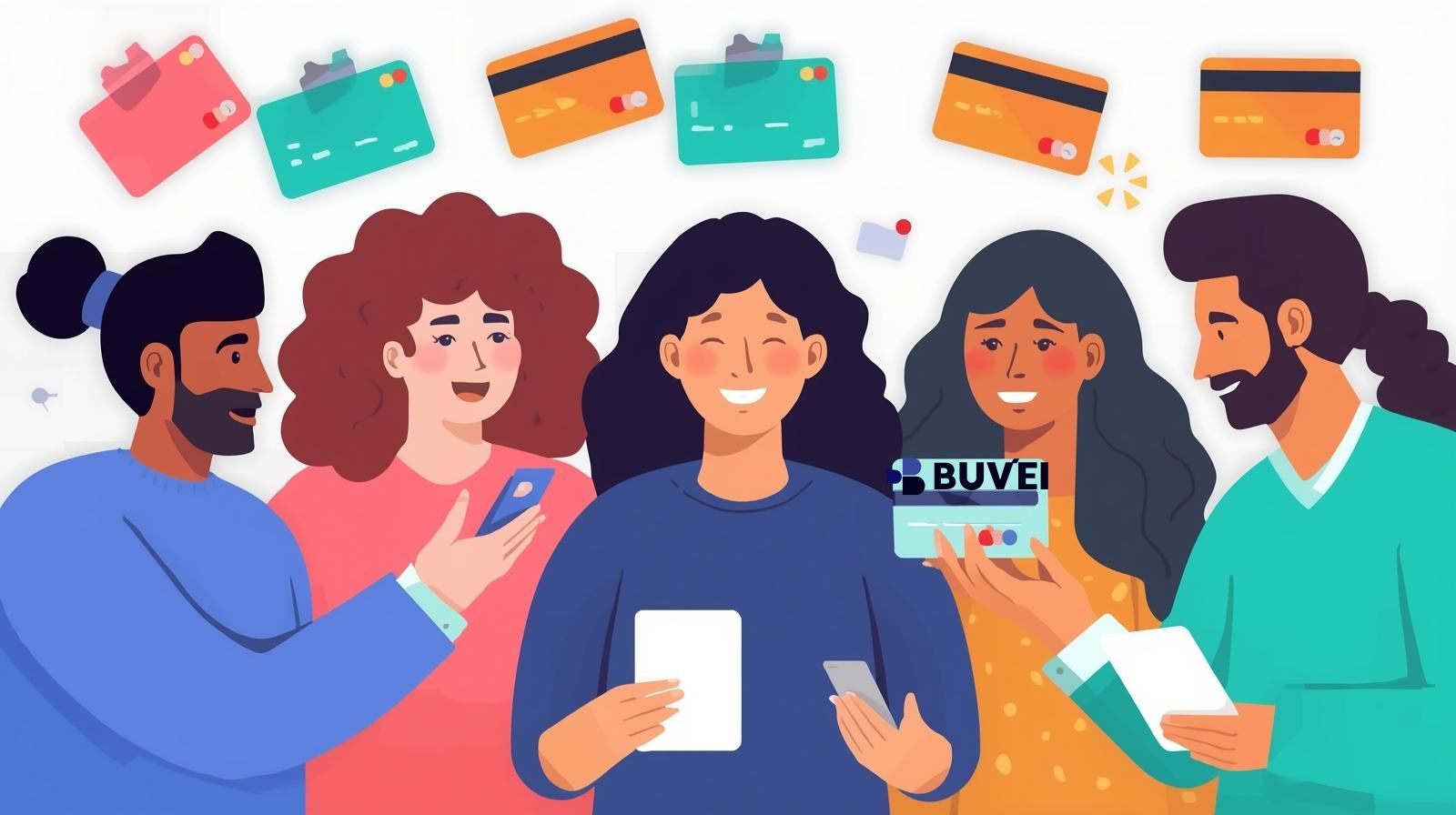
For first-time users of digital payments, trust and control are essential. Virtual cards allow individuals to set limits, track spending, and avoid exposing sensitive data.
Buvei enhances this experience by providing:
-
Instant card issuance without lengthy KYC delays.
-
PCI DSS compliance to safeguard privacy.
-
Multi-account management for families, teams, or small businesses.
-
Real-time customer service, offering quick solutions when issues arise.
By providing both security and support, Buvei ensures that digital finance remains safe and user-friendly.
Summary
The growth of virtual cards in developing countries is not just a story about technology—it’s about financial inclusion and empowerment. From bridging the cash-to-digital divide to enabling global business participation, virtual cards are transforming how people access financial services.
Buvei plays a key role in this transformation, offering multiple BIN support, strong platform compatibility, USDT top-ups, instant issuance, transparent fees, multi-card management, and real-time service. These features make fintech inclusion accessible, affordable, and secure.
Want to experience the benefits of financial inclusion with secure, flexible payments?
Start using Buvei virtual cards today and unlock access to global opportunities.