
Introduction
As virtual cards grow in popularity for advertising, SaaS, and e-commerce, so does the need for advanced fraud detection systems. At the core of these systems are statistical models that assign a “fraud score” to each transaction, helping issuers decide whether to approve, flag, or decline.
This article explores the basic science behind fraud scoring, focusing on the statistical methods that power these systems and why they matter in safeguarding the global payments ecosystem. We’ll also look at how providers like Buvei balance security with usability, ensuring businesses can operate safely and efficiently.
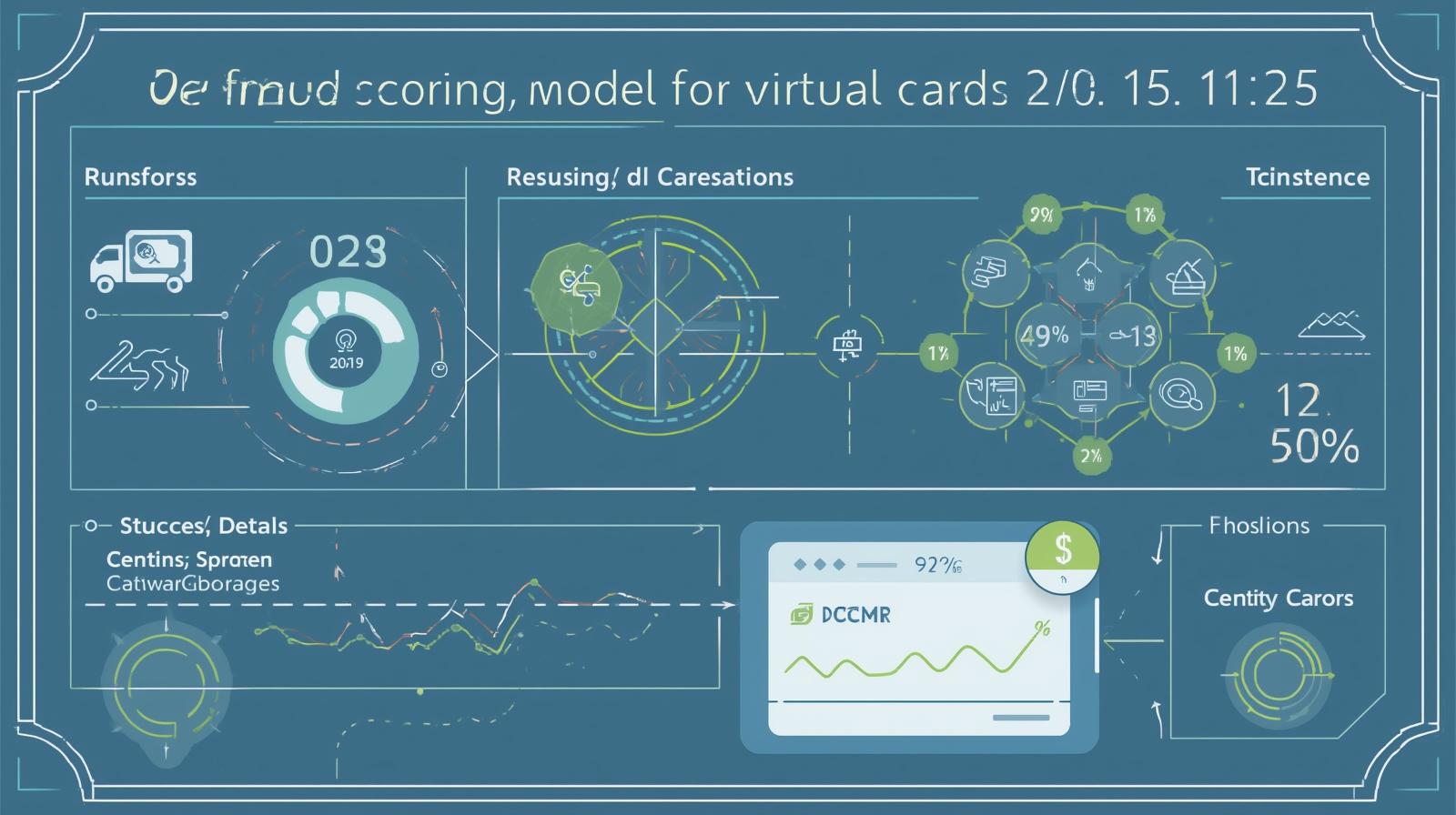
The Foundations of Fraud Scoring
Fraud scoring models assign numerical values to transactions, indicating their likelihood of being fraudulent. These models rely on:
-
Historical data: Patterns from past fraud cases.
-
Behavioral analysis: Deviations from a user’s usual spending activity.
-
Statistical distributions: Probability models that measure how “normal” or “abnormal” a transaction is.
A simple example is using logistic regression, a model that predicts the probability of fraud based on transaction features such as amount, time, and location.
Key Statistical Models in Use
Several statistical and machine learning models are commonly applied in fraud scoring:
-
Logistic Regression: Classic probability-based approach.
-
Decision Trees and Random Forests: Handle complex interactions between variables.
-
Bayesian Models: Continuously update fraud probabilities as new data comes in.
-
Neural Networks: Detect subtle patterns across massive transaction datasets.
For virtual cards, these models are critical because transactions often span multiple platforms (ads, SaaS tools, retail purchases), requiring flexible, adaptive scoring mechanisms.
Why Virtual Cards Improve Fraud Prevention
Beyond models, the design of virtual cards makes fraud scoring more effective:
-
Single-use or project-based cards limit exposure.
-
Custom spending limits reduce the damage of unauthorized charges.
-
Multi-account management provides transparency across campaigns.
Here’s where Buvei stands out: its virtual cards comply with PCI DSS standards and support real-time monitoring. Combined with transparent fee structures and instant issuance, Buvei ensures fraud detection is not just about blocking threats but enabling safe, smooth transactions.

Balancing Security with Usability
A key challenge in fraud scoring is minimizing false positives—legitimate transactions incorrectly flagged as fraud. Statistical models address this by calibrating thresholds and incorporating more behavioral data.
For businesses, the goal is to avoid interruptions in critical payments, such as Google Ads, Meta Ads, or SaaS subscriptions. Buvei enhances this balance by offering:
-
Multiple BIN support for higher payment success rates.
-
USDT top-up options to keep funds flowing with lower costs.
-
Real-time customer service, so flagged transactions can be quickly resolved.
Conclusion
Fraud scoring for virtual cards blends statistical science with practical security needs. From regression models to advanced neural networks, the math behind fraud prevention ensures payments remain both safe and seamless.
By using a solution like Buvei, businesses gain not only advanced protection but also operational flexibility, from campaign management to international expansion.
Looking to scale your payments securely?
Try Buvei virtual cards to safeguard your business while keeping transactions fast, efficient, and fraud-free.