Introduction
The global payments landscape is undergoing rapid transformation. One of the most discussed innovations is the rise of Central Bank Digital Currencies (CBDCs). As more governments experiment with digital versions of their national currencies, businesses and consumers alike are questioning how CBDCs might affect existing payment tools—particularly virtual cards, which have become essential for secure online transactions.
In this article, we’ll explore how CBDCs could reshape virtual card use cases, the opportunities and challenges that may arise, and how providers like Buvei are preparing to meet these changes.
What Are CBDCs and Why Do They Matter?
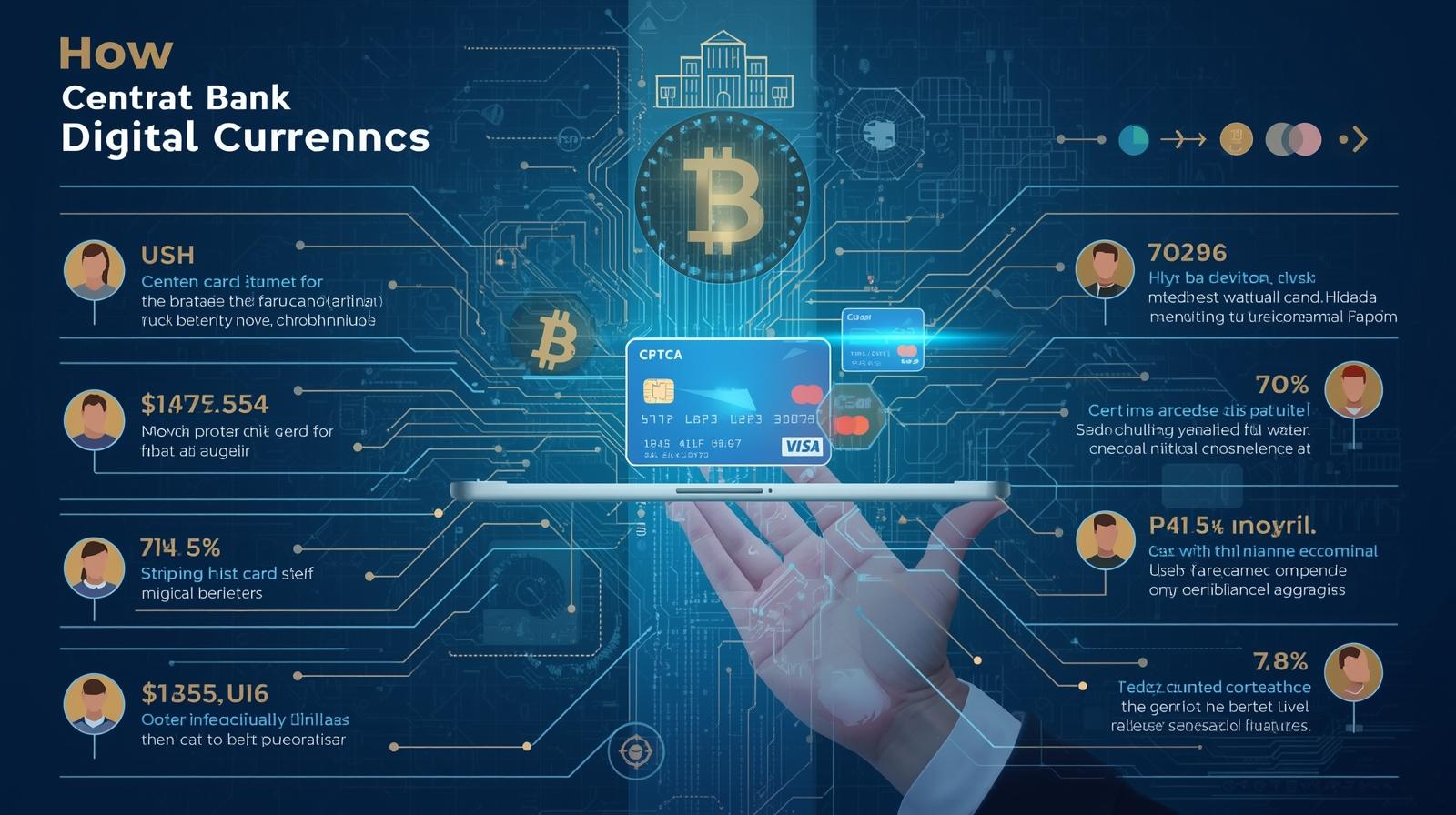
CBDCs are digital versions of fiat currencies issued and regulated by central banks. Unlike cryptocurrencies such as Bitcoin, CBDCs are backed by governments and operate within official monetary systems.
Key features include:
-
Government-backed stability: CBDCs carry the trust of central banks.
-
Instant settlement: Payments clear quickly without third-party delays.
-
Increased transparency: Transactions are traceable, reducing fraud.
-
Financial inclusion: CBDCs aim to provide digital access to the unbanked.
This makes CBDCs an attractive tool for modernizing payments—but it also raises questions about the role of virtual cards in this new ecosystem.
The Current Role of Virtual Cards
Virtual cards have become a trusted solution for secure and flexible payments. Their advantages include:
-
Data Protection: Users don’t need to expose real banking details.
-
Controlled Spending: Ability to set limits prevents overspending.
-
Global Use: Accepted by online merchants worldwide.
-
Business Applications: Ideal for SaaS subscriptions, advertising budgets, and team expense management.
With CBDCs entering the scene, these functions could be expanded—or redefined.
How CBDCs Could Change Virtual Card Use Cases
CBDCs won’t eliminate the need for virtual cards, but they could change how and where they are used. Four key areas stand out:
1. Enhanced Cross-Border Payments
CBDCs could simplify international settlements, reducing conversion costs. Virtual cards layered on CBDC systems may enable instant global transactions with fewer intermediaries.
2. Stronger Security and Compliance
CBDCs will likely come with advanced regulatory oversight. Paired with virtual cards, this could provide greater fraud protection and more transparent compliance for businesses.
3. Integration with Digital Wallets
Virtual cards linked to CBDC-based wallets could offer seamless integration for e-commerce, SaaS, and advertising payments. This bridges government-issued money with modern financial tools.
4. Business Cost Control
With CBDCs reducing settlement costs, virtual cards will remain vital for spending rules, multi-account management, and expense tracking—functions not directly offered by CBDCs.

How Buvei Prepares for the Future of CBDCs
As CBDCs evolve, Buvei already offers features that align with the future of digital payments:
-
Multiple BIN Support for higher success rates across ad platforms (Google, Meta, TikTok, Microsoft).
-
Strong Payment Compatibility with SaaS tools (ChatGPT, Canva, Notion) and daily purchases.
-
USDT Top-up to enable fast, low-cost balance replenishment—showing flexibility in adapting to new digital currencies.
-
Instant Card Issuance without complex KYC, ensuring quick onboarding.
-
Transparent Fee Structure so users always know their costs.
-
Security & Privacy backed by PCI DSS standards, protecting user data.
-
Multi-Account Management to streamline team workflows.
-
Real-Time Support for immediate issue resolution.
By combining current digital payment strengths with future-readiness, Buvei positions itself as a trusted partner for individuals and businesses in a CBDC-powered economy.
Summary
CBDCs have the potential to transform how money moves across borders, improve security, and foster financial inclusion. But rather than replacing virtual cards, CBDCs will enhance their role—making them even more powerful tools for secure, flexible, and trackable payments.
Providers like Buvei are already demonstrating how virtual cards can bridge today’s financial systems with the innovations of tomorrow. Businesses that adopt these solutions early will be best positioned to take advantage of the evolving payment landscape.
Ready to future-proof your payments? Explore Buvei Virtual Cards for secure, flexible, and globally compatible solutions—designed to keep you ahead as CBDCs reshape the digital economy.