Introduction
The rise of virtual cards has transformed the way businesses handle digital payments. Whether it’s for advertising spend, SaaS subscriptions, or team expense management, virtual cards provide flexibility and security that traditional cards cannot match.
However, one area that often confuses businesses is the fee structure of virtual cards. Knowing how fees are calculated—and how to minimize them—can significantly impact a company’s overall cost efficiency. In this article, we break down the economics of virtual card issuance and highlight how solutions like Buvei simplify the process with transparent, cost-effective options.
Understanding Virtual Card Fee Structures
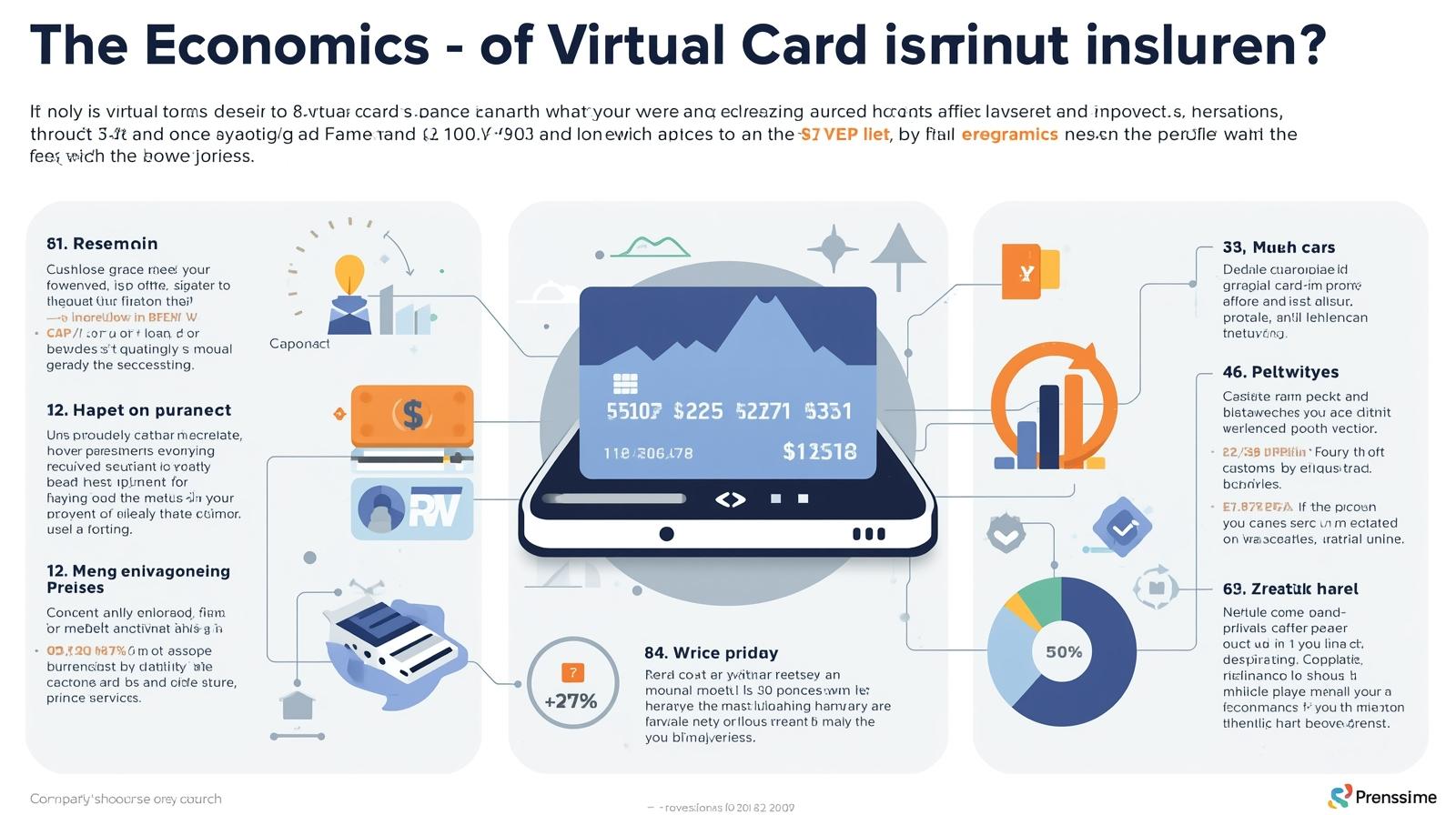
Virtual card fees typically come in several forms. While providers differ, the most common include:
-
Issuance fees: A charge for generating a new virtual card
-
Top-up or funding fees: Costs associated with loading money onto the card
-
Transaction fees: A small percentage or fixed fee per payment
-
Currency conversion fees: Applied when making cross-border payments
-
Maintenance fees: Ongoing charges to keep a card active
The challenge for businesses is identifying hidden costs, as many providers do not clearly disclose their full fee structures.
The Importance of Transparent Fees
A lack of transparency can lead to higher-than-expected costs and budgeting challenges. Businesses require a clear breakdown of fees to manage advertising and operational expenses effectively.
This is where Buvei stands out. With a transparent fee structure, Buvei ensures:
-
No hidden charges
-
All top-up and transaction fees visible in the backend
-
Ability to set spending limits for flexible cost control
Such clarity allows businesses to allocate budgets with confidence and avoid unexpected financial leaks.
Reducing Costs with USDT Top-Ups
One of the largest hidden costs in payment systems is remittance fees, particularly for cross-border transactions. Buvei addresses this with USDT top-up support (TRC20/ERC20).
Benefits include:
-
Lower remittance costs compared to traditional bank transfers
-
Faster fund arrival, ensuring uninterrupted ad campaigns
-
Easier global operations for businesses with remote or international teams
By reducing reliance on traditional banking, businesses can achieve greater cost efficiency and financial agility.
Additional Cost-Saving Features
Beyond transparent fees and low-cost top-ups, Buvei offers several features that indirectly reduce financial overhead:
-
Multiple BIN support for higher payment success rates, minimizing wasted ad spend due to declined transactions
-
Instant card issuance without complex KYC delays, allowing faster campaign execution
-
Multi-account management to save time in batch card issuance and team collaboration
-
PCI DSS-compliant security, avoiding potential fraud-related losses
Together, these features strengthen both the economic efficiency and security of payment systems.
Summary
The economics of virtual card issuance come down to more than just the numbers—it’s about transparency, efficiency, and long-term cost control. With Buvei virtual cards, businesses can:
-
Understand and manage clear fee structures
-
Reduce costs with USDT top-ups
-
Boost efficiency through instant issuance and multi-account management
-
Protect against risks with PCI DSS-compliant security
By choosing a platform like Buvei, businesses can make smarter financial decisions while optimizing their digital payments.
Take control of your expenses with Buvei virtual cards. Sign up today for transparent fees, secure transactions, and cost-efficient payment management that scales with your business.