In today’s digital-first business environment, Software-as-a-Service (SaaS) tools have become indispensable for startups, SMEs, and large enterprises alike. However, the growing number of subscriptions—from project management platforms to cloud storage—often leads to uncontrolled spending, duplicate tools, and billing complexities. Managing these subscriptions efficiently is critical for financial oversight and operational control.
One increasingly popular solution is the use of virtual cards. By assigning unique digital payment cards to each SaaS subscription, businesses can track, control, and optimize their expenses while improving security. In this article, we explore how to manage SaaS subscriptions with virtual cards and why platforms like Buvei are becoming essential for modern financial management.

Improved Expense Tracking and Visibility
Traditional credit cards make it challenging to identify which subscription is responsible for specific charges. A single card may be linked to dozens of SaaS tools, creating reconciliation issues.
With virtual cards, businesses can assign a unique card number to each SaaS provider. This allows for:
-
Granular expense visibility: Every charge is tied to a specific subscription.
-
Simplified accounting: Finance teams can quickly reconcile monthly statements.
-
Reduced shadow IT: Identify and eliminate unused or redundant SaaS tools.
Buvei provides dashboards that consolidate subscription spending, giving CFOs and founders a clear view of recurring expenses at a glance.
Enhanced Security and Fraud Prevention
One of the biggest risks with SaaS subscriptions is storing a company’s corporate card details across multiple platforms. This increases the exposure to fraud and data breaches.
By leveraging virtual cards:
-
Businesses can limit card usage to a single vendor.
-
Spending caps can be applied to prevent overcharging.
-
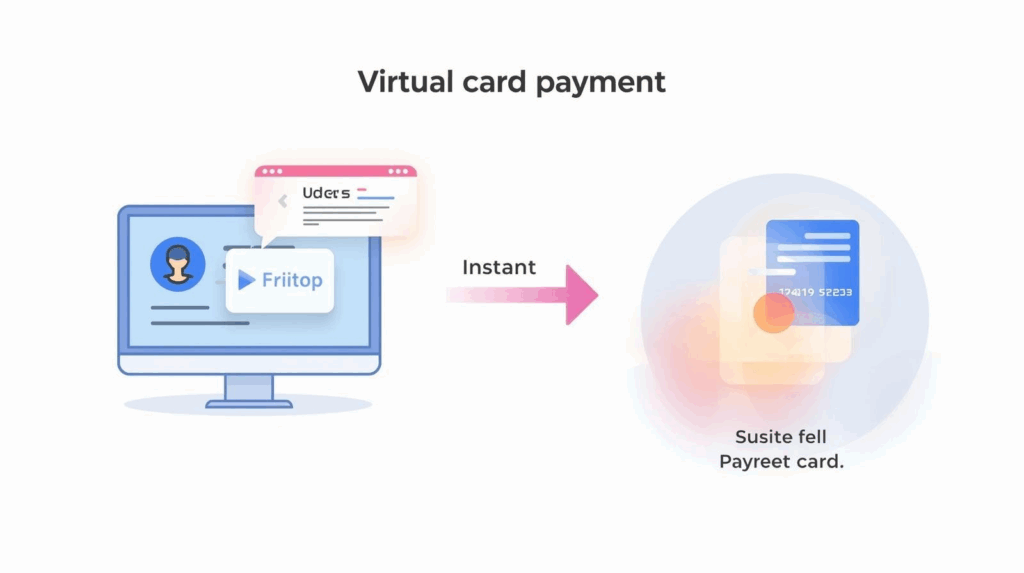
Cards can be frozen or canceled instantly if suspicious activity occurs.
For example, if a SaaS vendor experiences a security breach, only the corresponding virtual card is compromised—protecting the rest of the company’s finances. With Buvei’s advanced card controls, businesses can set customized spending rules that align with internal compliance policies.
Budget Control and Cost Optimization
SaaS overspending is a common issue, especially when teams purchase tools without centralized oversight. Unused licenses, forgotten free trials that auto-renew, and overprovisioned accounts all contribute to wasted budget.
Virtual cards help enforce budget discipline by:
-
Setting monthly or annual limits on each subscription.
-
Flagging unexpected price increases immediately.
-
Allowing finance teams to proactively reallocate resources.
With Buvei’s subscription management features, companies can automate alerts for upcoming renewals and prevent costly auto-renewals that often slip through unnoticed.

Compliance and Policy Alignment
In many industries, financial compliance requires transparent expense reporting and adherence to procurement policies. Traditional payment methods often lack the audit trail needed for regulatory standards.
Using virtual cards enables businesses to:
-
Maintain an audit-ready record of every SaaS transaction.
-
Demonstrate compliance with financial regulations and internal policies.
-
Support global operations by managing multi-currency SaaS billing.
Buvei goes beyond payment processing by offering policy-based card management, ensuring that SaaS purchases align with both local regulations and international compliance requirements.
Conclusion
As SaaS adoption accelerates, so does the complexity of subscription management. Without the right tools, businesses risk overspending, compliance challenges, and financial inefficiencies. Virtual cards provide a powerful solution—enhancing visibility, security, budgeting, and compliance.
Platforms like Buvei make it simple for businesses to deploy virtual cards, streamline SaaS subscription management, and take control of recurring expenses. For organizations seeking smarter financial infrastructure, adopting virtual card solutions is no longer optional—it’s a strategic necessity.