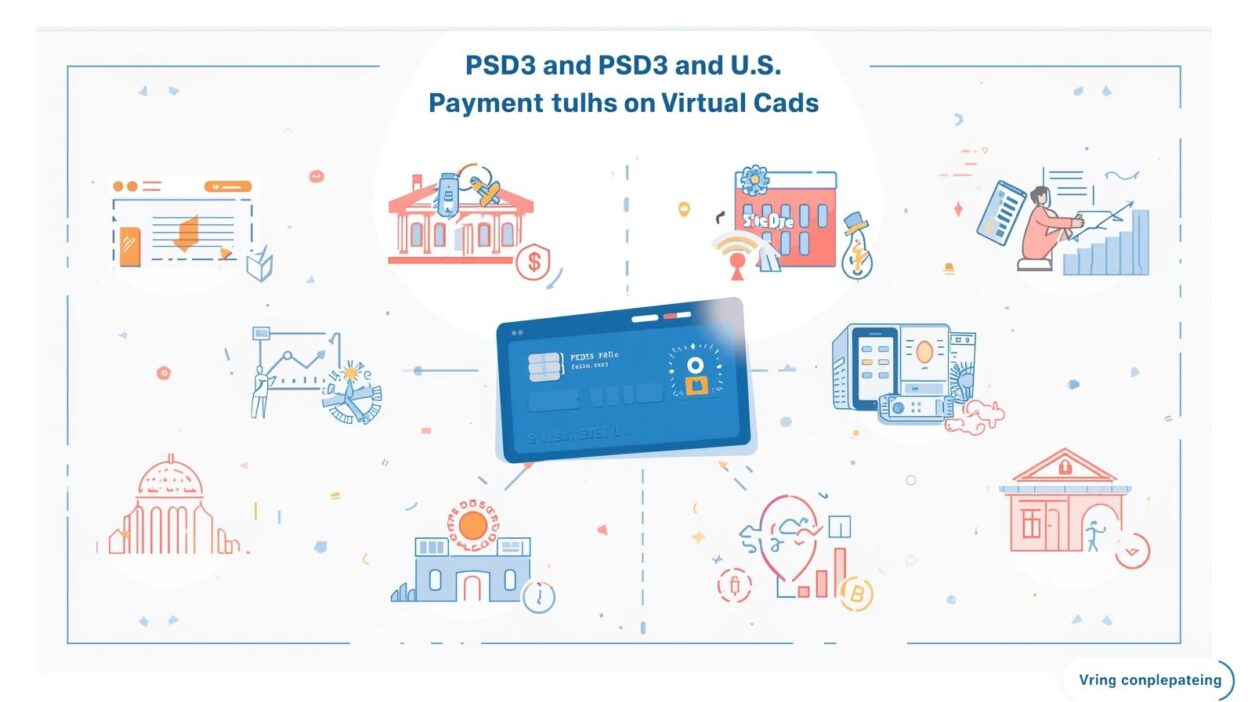
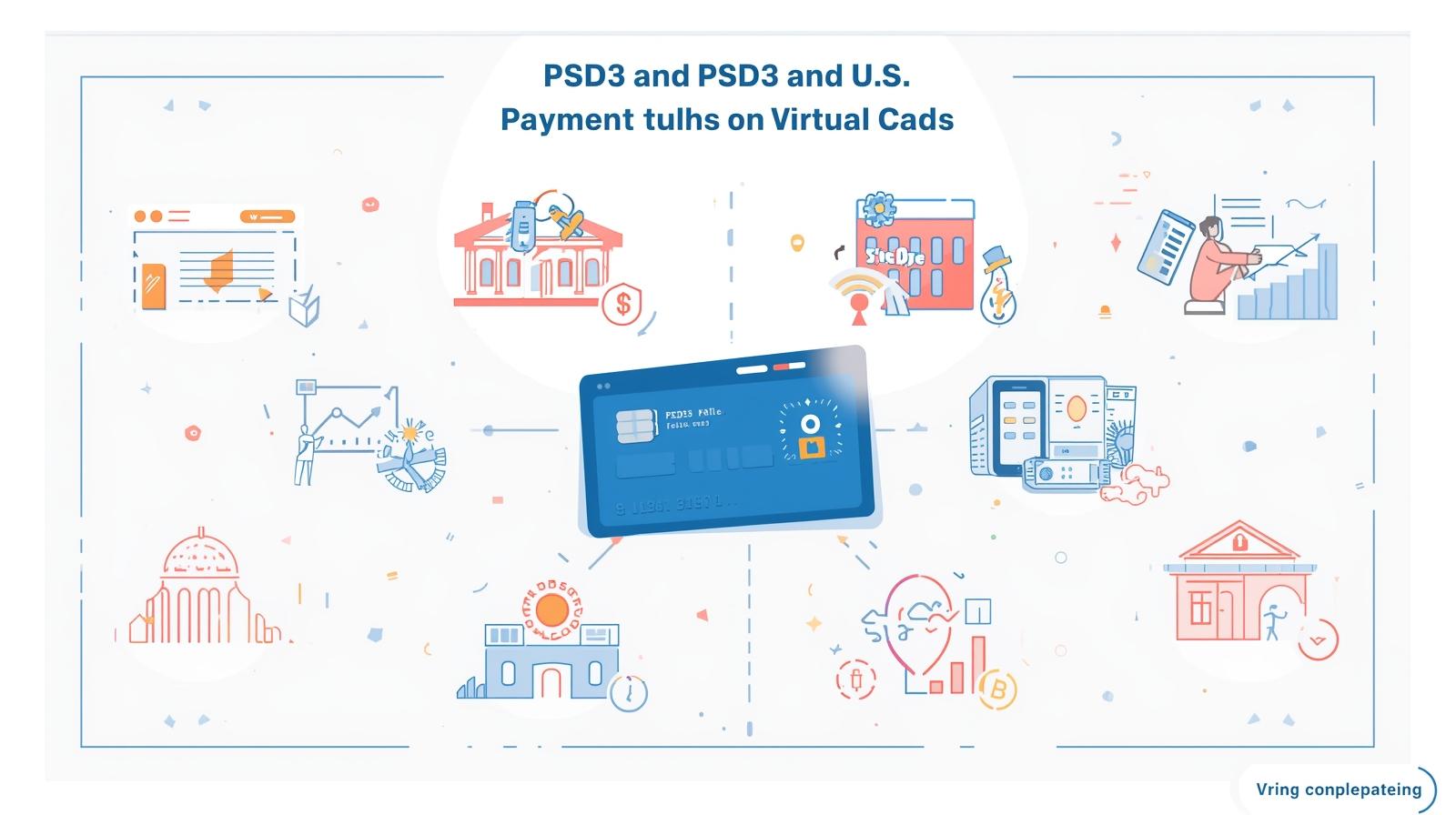
The payments landscape is changing rapidly, shaped by regulatory updates in both Europe and the United States. The European Union’s Payment Services Directive 3 (PSD3) and evolving U.S. payment rules are designed to strengthen consumer protection, security, and transparency. For individuals and businesses using virtual cards, these changes will have a direct impact on how payments are managed across borders.
Understanding these regulations is essential for businesses that rely on digital payments, online advertising, and SaaS subscriptions. Let’s explore what PSD3 and U.S. payment rules mean for virtual card users, and how providers like Buvei are aligning with compliance while enhancing payment efficiency.
What is PSD3 and Why Does It Matter?
The European Commission introduced PSD3 as the next evolution of PSD2, aiming to adapt to the rise of digital wallets, instant payments, and virtual cards.
Key PSD3 objectives include:
-
Enhanced consumer protection through stronger authentication measures.
-
Greater transparency in fees, charges, and exchange rates.
-
Tighter fraud prevention by requiring advanced Strong Customer Authentication (SCA).
-
Level playing field for banks and non-bank fintech providers.
For virtual card users, this means stricter but safer payment environments. Businesses will need to ensure that their payment solutions comply with EU security standards to maintain smooth operations across Europe.
U.S. Payment Regulations and Their Impact
Unlike the EU, the U.S. does not have a unified directive like PSD3, but regulatory bodies such as the Federal Reserve, Consumer Financial Protection Bureau (CFPB), and Treasury Department are increasing scrutiny on digital payments.
Recent policy priorities include:
-
Instant payment adoption with platforms like FedNow.
-
Data privacy laws to safeguard consumer financial information.
-
Crypto and digital asset regulations shaping future payment methods.
-
Anti-fraud measures requiring transparency from fintech providers.
For virtual card users in the U.S., this translates into a more secure environment, where compliance with data protection and transparency standards will be critical.
What This Means for Virtual Card Users
Both PSD3 in Europe and U.S. rules are pushing toward a more regulated, secure, and transparent payment ecosystem. For individuals and businesses using virtual cards, the impact will be noticeable:
-
Stronger Security: Virtual cards already minimize risks by masking sensitive data. With PSD3 and U.S. policies, extra multi-factor authentication will reinforce protection.
-
Cost Transparency: Hidden fees will face stricter oversight, ensuring clear pricing structures.
-
Cross-Border Efficiency: PSD3 encourages interoperability across the EU, while U.S. regulation promotes instant settlement. Virtual cards will be better suited for global operations.
-
Compliance-Driven Growth: Businesses that adopt compliant virtual card providers will stay ahead of regulatory challenges.
How Buvei Aligns with Global Payment Regulations
As regulations evolve, Buvei ensures that virtual card users can operate seamlessly while meeting compliance standards.
-
Multiple BIN Support – Boosts global success rates by aligning with Visa/Mastercard across regions.
-
Strong Compatibility – Works with Google Ads, Meta Ads, TikTok Ads, Microsoft Ads, SaaS subscriptions, travel, and e-commerce.
-
USDT Top-Up – Supports TRC20/ERC20 for fast and cost-efficient funding.
-
Instant Card Issuance – Quick setup with no complex KYC delays.
-
Transparent Fees – No hidden charges; full visibility for businesses and individuals.
-
Security & Compliance – PCI DSS compliant, aligning with global payment standards.
-
Multi-Account Management – Efficient for teams and enterprises handling bulk payments.
-
24/7 Support – Real-time assistance for smooth operations.
With these features, Buvei positions itself as a regulatory-ready solution for businesses adapting to PSD3 in Europe and regulatory frameworks in the U.S.
Conclusion
The evolution of PSD3 in Europe and payment regulations in the U.S. signals a future where security, transparency, and consumer protection are central to digital transactions. For virtual card users, this means safer, smarter, and more compliant payments across global markets.
Providers like Buvei are not only keeping pace with regulatory changes but also empowering businesses with flexible, secure, and transparent virtual card solutions.
Stay ahead of payment regulations. Explore how Buvei can help you simplify compliance and strengthen your payment strategy today.